

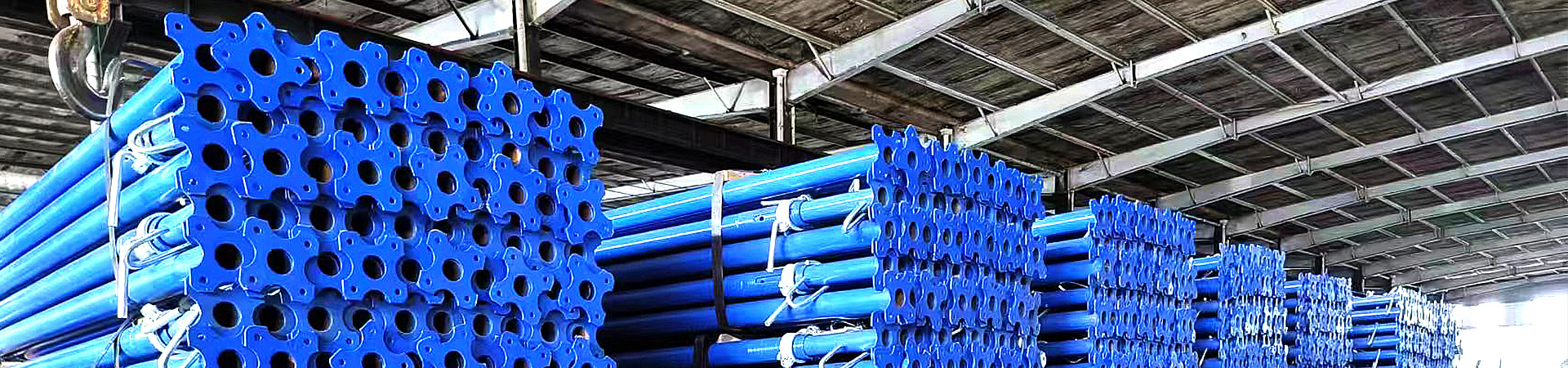
Exploring the Potential of Steel Support in the Middle East
Release time: 2026-03-20 01:46:02.101
Author:
Source:
The Backbone of Construction: Steel Support
When we talk about construction in the Middle East, one thing's for sure: steel support is absolutely essential. This material not only provides the strength needed for towering skyscrapers but also plays a crucial role in bridges, factories, and even residential buildings. The region's unique demands call for innovative applications of steel support, making it a hot topic in the construction industry.
Why Steel?
So, why steel? Well, first off, it's incredibly durable. When the sun blazes down on the desert or a sandstorm hits, structures made from steel can withstand the elements far better than many alternatives. Plus, it's relatively easy to work with, allowing for designs that are both functional and aesthetically pleasing.
Applications Across the Region
In Saudi Arabia, for instance, the Vision 2030 initiative has spurred a surge in construction projects that rely heavily on steel support. From the iconic Jeddah Tower to sprawling urban developments, steel is at the heart of it all. And let's not forget about the UAE, where ambitious projects like the Museum of the Future highlight the importance of strong, reliable materials.
Innovative Techniques
Speaking of the UAE, the region is also a hotspot for innovative techniques in steel support. The use of modular construction and prefabricated steel components is on the rise, enabling faster build times and reducing waste. This not only helps meet tight deadlines but also aligns with sustainability goals.
Challenges in the Industry
Of course, it's not all sunshine and rainbows. The steel industry in the Middle East faces challenges, including fluctuating prices and supply chain issues. However, companies are finding ways to adapt and overcome these hurdles. Engaging in local sourcing and innovative production methods has become increasingly vital.
Future Prospects
Looking ahead, the future of steel support in the Middle East appears bright. With ongoing investments in infrastructure and a commitment to modernization, the demand for high-quality steel is only expected to grow. Whether it's for commercial buildings or public infrastructure, the reliance on steel support will remain a fundamental aspect of construction in the region.
Conclusion
In summary, the Middle East steel support sector is not just about raw materials; it's about innovation, resilience, and the future of construction. As the region continues to evolve, so too will the applications and technologies surrounding steel support. It's an exciting time to be involved in this field!
More news
2026 Complete Guide: Heavy-Duty Steel Support Accessories for Construction
This 2026 SEO guide elaborates on definition, types, selection criteria, installation steps, maintenance tips and cost-benefit analysis of steel support accessories, based on real project cases and latest construction industry standards. It helps construction contractors and purchasers reduce formwork failure risks, cut 12-18% of overall material cost according to 2026 industry data.
Premium Steel Support Accessories | Durable, ISO-Certified for Construction Projects 2026
This 2026 guide covers core types, selection standards, maintenance tips and compliance rules for steel support accessories, based on real on-site construction cases from www.cnsteelsupport.com. It helps civil contractors, formwork engineers and project managers reduce safety risks, cut total project costs and extend the service life of their formwork support systems efficiently.
Top Grade Screw Rod: 2026 Complete Selection, Installation & Usage Guide
This 2026 Screw rod guide sorts out core performance parameters, global industry testing standards, common application scenarios and hands-on operation tips from cnsteelsupport’s 12+ years engineering team. It includes side-by-side performance comparison of different material screw rods, step-by-step installation tutorial, and answers to top user questions to help construction teams reduce product failure rate by 27% per latest 2026 industry research.
Contact Us
Address:Cangzhou City, Hebei Province Xianxian county east industrial Park
All rights reserved © Hebei Xingyaoda construction equipment Co., LTD SEO Powerby:300.cn