

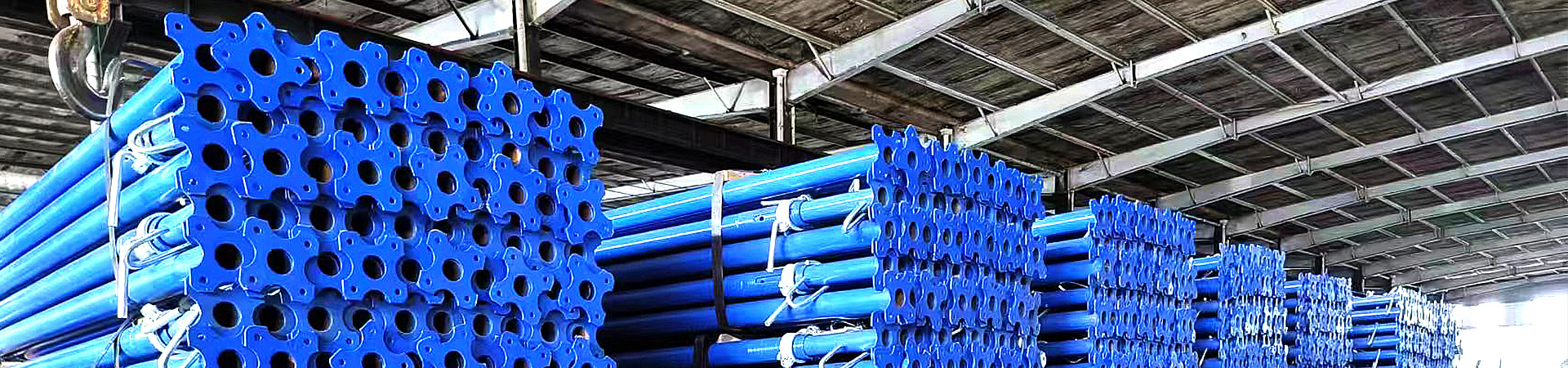
Understanding Oblique Bracing: Key Considerations for Structural Integrity
Release time: 2026-02-03 02:16:16.311
Author:
Source:
Understanding Oblique Bracing
When it comes to constructing stable and robust structures, engineers often look for effective solutions that enhance the overall integrity. One such method is oblique bracing, a technique that's crucial in providing support and stability to various architectural forms. But what exactly is it, and why should you care? Let's dive into the nitty-gritty!
What is Oblique Bracing?
In layman's terms, oblique bracing refers to the use of diagonal components in a framework to resist lateral forces. This approach is particularly handy in areas prone to earthquakes or strong winds. By incorporating these diagonal members, structures can better withstand twisting and swaying, ensuring a longer lifespan.
Why is it Important?
Imagine this: you're in a tall building during a storm. The last thing you want is for the structure to buckle under pressure. Here's where oblique bracing comes into play. By distributing forces evenly, it helps to keep everything in check. But wait, there's more! Not only does it improve safety, but it also allows for more open interior spaces since less material is needed for support.
Key Considerations When Implementing Oblique Bracing
Now that we've established the importance, let's talk about some key points to keep in mind:
1. Material Selection
Choosing the right materials is crucial. Steel is often a go-to for its strength and flexibility, but don't overlook other options like wood or composites, which can be effective in specific situations.
2. Design Integration
It's not just about slapping some diagonal supports on a framework. The design must be well thought out to ensure that the oblique bracing complements the architecture rather than detracting from it. Aesthetic considerations are just as important!
3. Load Considerations
Before jumping in, assess the loads your structure will encounter. Knowing whether it's primarily vertical, lateral, or a combination will guide your bracing strategy effectively.
4. Installation Practices
Installation isn't just a walk in the park. Proper techniques must be followed to ensure that the oblique bracing is effective. Pay attention to the angles and connections, as these can make or break the system.
5. Regular Maintenance
Like all things in life, maintenance is key. Regular checks can help identify wear and tear, ensuring your bracing continues to function as intended.
Final Thoughts
In the grand scheme of construction, oblique bracing is a game changer. It's not merely a technical detail; it's a vital component that enhances safety, functionality, and design. So, whether you're an architect, engineer, or just a curious mind, understanding this technique will certainly give you a leg up. Happy building!
Previous article: Understanding Oblique Bracing: Common Questions Answered
More news
2026 Complete Guide: Heavy-Duty Steel Support Accessories for Construction
This 2026 SEO guide elaborates on definition, types, selection criteria, installation steps, maintenance tips and cost-benefit analysis of steel support accessories, based on real project cases and latest construction industry standards. It helps construction contractors and purchasers reduce formwork failure risks, cut 12-18% of overall material cost according to 2026 industry data.
Premium Steel Support Accessories | Durable, ISO-Certified for Construction Projects 2026
This 2026 guide covers core types, selection standards, maintenance tips and compliance rules for steel support accessories, based on real on-site construction cases from www.cnsteelsupport.com. It helps civil contractors, formwork engineers and project managers reduce safety risks, cut total project costs and extend the service life of their formwork support systems efficiently.
Top Grade Screw Rod: 2026 Complete Selection, Installation & Usage Guide
This 2026 Screw rod guide sorts out core performance parameters, global industry testing standards, common application scenarios and hands-on operation tips from cnsteelsupport’s 12+ years engineering team. It includes side-by-side performance comparison of different material screw rods, step-by-step installation tutorial, and answers to top user questions to help construction teams reduce product failure rate by 27% per latest 2026 industry research.
Contact Us
Address:Cangzhou City, Hebei Province Xianxian county east industrial Park
All rights reserved © Hebei Xingyaoda construction equipment Co., LTD SEO Powerby:300.cn