

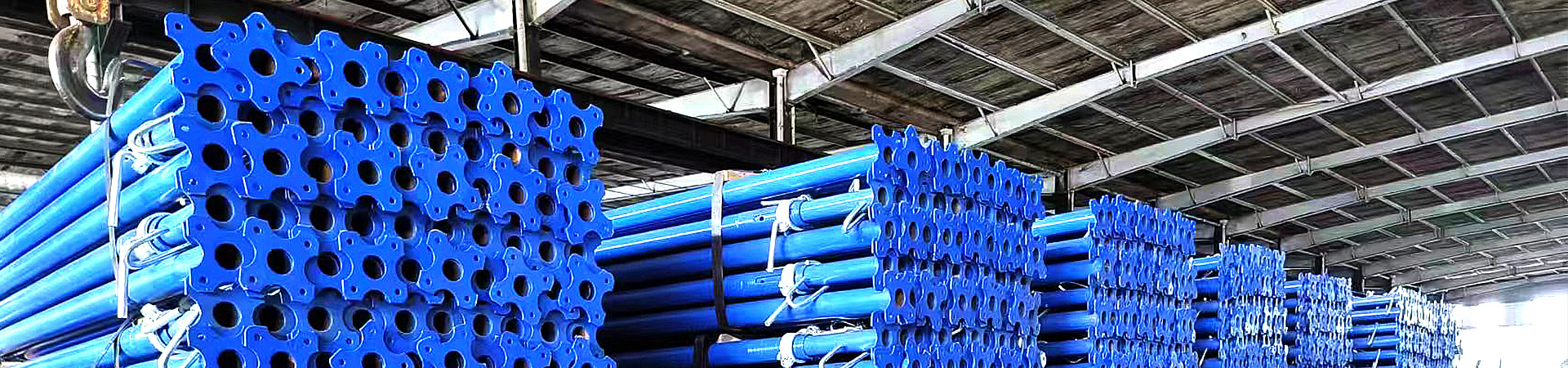
Unlocking Strength: The Power of Oblique Bracing in Industry Solutions
Release time: 2025-12-21 00:40:56.450
Author:
Source:
Introduction to Oblique Bracing
Ever heard of oblique bracing? If not, you're in for a treat! This fascinating engineering technique is gaining traction across various sectors, from construction to aerospace. But what exactly is it, and why should you care? Buckle up, because we're diving deep into how oblique bracing can revolutionize industry solutions.
What is Oblique Bracing?
In simple terms, oblique bracing refers to the diagonal support structures that reinforce frameworks, providing stability and strength. Think of it as the backbone of a structure, offering that extra oomph when things get shaky. You know how a well-placed brace can keep a tall bookshelf from toppling over? That's oblique bracing in action, but on a much grander scale!
The Science Behind It
Let's get a bit technical, shall we? Oblique bracing works by redistributing loads, which means it helps to manage the forces acting on a structure. This is particularly crucial in high-stress environments like skyscrapers and bridges, where wind and seismic activities can wreak havoc. Without oblique bracing, you might as well be building a house of cards—one gust of wind, and poof!
Types of Oblique Bracing
There are a few different types of oblique bracing systems to consider:
- X-Bracing: This classic design resembles an ‘X' and is super effective in resisting lateral forces.
- K-Bracing: Looks kind of like a ‘K' and is often used where space is limited.
- V-Bracing: The ‘V' shape offers a unique approach, providing flexibility while maintaining strength.
Where is Oblique Bracing Used?
Now, you might be wondering, where exactly is this bracing magic happening? Well, the list is long! From tall buildings that scrape the sky to bridges that span great divides, oblique bracing is everywhere. It's also making waves in the realm of renewable energy, especially in wind turbines, where stability is key to harnessing that gusty goodness.
Construction Industry
In construction, oblique bracing is a game changer. Builders utilize it to ensure that their structures can withstand the forces of nature, such as earthquakes or hurricanes. Trust me, no one wants their dream home to become a casualty of Mother Nature!
Aerospace Applications
The aerospace industry, too, is tapping into the benefits of oblique bracing. Aircraft are designed to handle immense pressures, and this bracing technique helps keep everything in check, ensuring a smooth flight. Talk about high-flying engineering!
Benefits of Oblique Bracing
So, why should industries invest in oblique bracing? Well, here are a few reasons:
- Enhanced Stability: It provides a solid foundation, reducing sway and movement.
- Cost-Effective: While the initial investment might seem steep, the long-term savings on repairs and maintenance are worth it.
- Versatile Design: Oblique bracing can be integrated into various architectural styles without compromising aesthetics.
Challenges to Consider
Of course, it's not all rainbows and butterflies. Implementing oblique bracing can pose challenges, such as:
- Design Complexity: It requires careful planning and expertise to execute effectively.
- Space Constraints: In tight spaces, finding the right angle for bracing can be a real puzzle.
The Future of Oblique Bracing
As we look ahead, the future of oblique bracing seems bright. With advancements in materials and technology, we can expect even more innovative applications. Who knows? We might see it in unexpected places like smart homes or sustainable urban developments in the near future!
Conclusion
In the grand scheme of things, oblique bracing is more than just a structural necessity; it's a testament to human ingenuity and our desire to build a safer world. So, the next time you admire a towering skyscraper or a sweeping bridge, remember: behind that beauty lies the strength of oblique bracing, quietly working to keep it all standing tall!
Previous article: Understanding Oblique Bracing: The Backbone of Structural Integrity
More news
2026 Complete Guide: Heavy-Duty Steel Support Accessories for Construction
This 2026 SEO guide elaborates on definition, types, selection criteria, installation steps, maintenance tips and cost-benefit analysis of steel support accessories, based on real project cases and latest construction industry standards. It helps construction contractors and purchasers reduce formwork failure risks, cut 12-18% of overall material cost according to 2026 industry data.
Premium Steel Support Accessories | Durable, ISO-Certified for Construction Projects 2026
This 2026 guide covers core types, selection standards, maintenance tips and compliance rules for steel support accessories, based on real on-site construction cases from www.cnsteelsupport.com. It helps civil contractors, formwork engineers and project managers reduce safety risks, cut total project costs and extend the service life of their formwork support systems efficiently.
Top Grade Screw Rod: 2026 Complete Selection, Installation & Usage Guide
This 2026 Screw rod guide sorts out core performance parameters, global industry testing standards, common application scenarios and hands-on operation tips from cnsteelsupport’s 12+ years engineering team. It includes side-by-side performance comparison of different material screw rods, step-by-step installation tutorial, and answers to top user questions to help construction teams reduce product failure rate by 27% per latest 2026 industry research.
Contact Us
Address:Cangzhou City, Hebei Province Xianxian county east industrial Park
All rights reserved © Hebei Xingyaoda construction equipment Co., LTD SEO Powerby:300.cn