

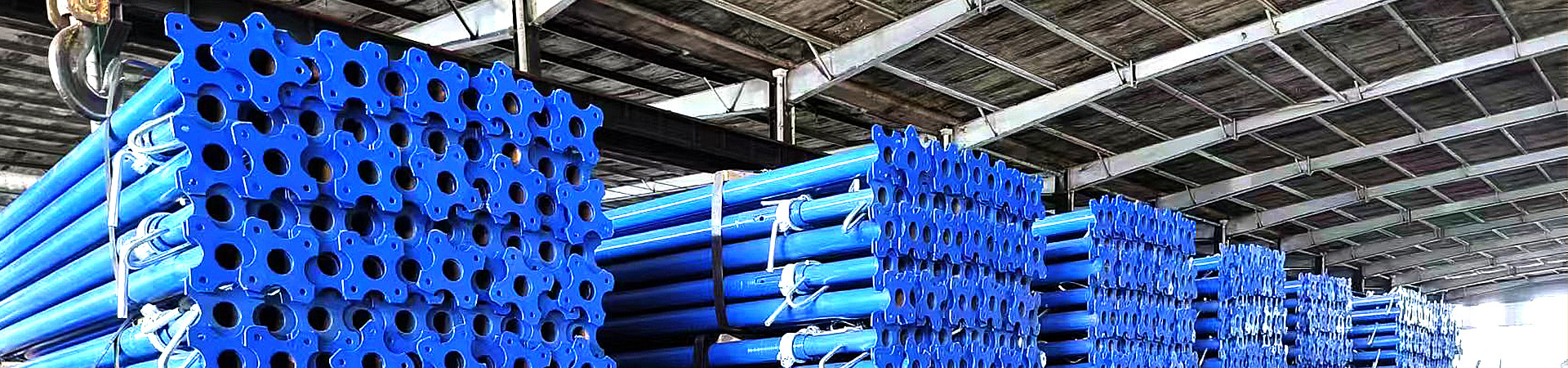
The Nuts and Bolts of Scaffolding: How It Works in Construction
Release time: 2025-11-15 02:31:59.044
Author:
Source:
Understanding Scaffolding
Ever walked past a construction site and noticed the towering structures surrounding it? That's right, we're talking about scaffolding! It's not just a bunch of metal poles tossed together; it's a carefully engineered system that provides support and access to workers. So, let's dive into the nitty-gritty of how scaffolding works!
What Exactly Is Scaffolding?
In the simplest terms, scaffolding is a temporary framework used to support workers and materials during the construction or repair of buildings. Think of it as the unsung hero of the construction world, providing stability and safety. Now, why do we need it? Well, without scaffolding, workers would be left dangling, quite literally!
How Does Scaffolding Work?
Alright, let's break it down. Scaffolding works by distributing weight evenly across its structure. Here's how:
- Base Plates: These are the foundation of scaffolding. They spread the load over a larger area, ensuring stability.
- Standards: Vertical poles that give scaffolding its height. They're like the backbone, holding everything up.
- Ledgers: Horizontal bars that connect the standards. They provide lateral support, keeping everything in line.
- Braces: These are diagonal supports that prevent swaying. Think of them as the safety net.
- Decking: Finally, the surface on which workers stand. It's crucial for safety and efficiency.
So, when these components come together, they form a sturdy platform that can handle the weight of workers and materials. Pretty nifty, right?
The Benefits of Scaffolding
Now, why go through all this trouble? Here's where the advantages kick in:
- Safety: Scaffolding significantly reduces the risk of falls, which is a major concern on construction sites.
- Accessibility: It allows workers to reach high places easily, making tasks more efficient.
- Stability: With a solid framework, workers can focus on the job at hand without worrying about balance.
- Flexibility: Scaffolding can be adjusted to fit various structures and requirements.
In other words, scaffolding is a game changer, ensuring that the construction process goes smoothly and safely.
Safety First: Best Practices
Of course, with great power comes great responsibility! Here are some safety tips for working with scaffolding:
- Ensure all components are in good condition. Check for rust, bends, or damage.
- Follow the manufacturer's guidelines for assembly and weight limits.
- Use safety harnesses when working at heights.
- Regularly inspect the scaffolding to catch any issues early.
Remember, safety isn't just a guideline; it's the law!
In Conclusion
So, there you have it! Scaffolding might not be the first thing that comes to mind when you think of construction, but it's absolutely vital. It supports not just the physical structure, but also the safety and efficiency of the workforce. Next time you see scaffolding, give it a nod of appreciation for all the hard work it does behind the scenes!
Previous article: Building Knowledge: The Art of Scaffolding in Learning
More news
Safety First: Essential Tips for Effective Scaffolding
Discover important considerations for safe and effective scaffolding in construction. Learn the best practices and tips!
Building the Future: The Role of Scaffolding in Construction News
Explore the importance of scaffolding in the construction industry and how it's shaping the future of building projects.
Building Dreams: The Role of Scaffolding in Construction Innovations
Explore the significance of scaffolding in the construction industry with real-world examples.
Contact Us
Address:Cangzhou City, Hebei Province Xianxian county east industrial Park
All rights reserved © Hebei Xingyaoda construction equipment Co., LTD SEO Powerby:300.cn